What a Destination Wedding Videographer in Europe Should Bring
The right destination wedding videographer in Europe brings more than technical skill: calm communication, thoughtful preparation and the flexibility to adapt to travel, weather and cultural traditions.
Choosing a destination wedding videographer in Europe is about more than finding beautiful images. You are inviting someone into one of the most personal days of your life, often in a country where timing, travel, weather and local logistics can change quickly. The right team should make the experience feel easier while creating a film that still feels like you.
Start with the feeling, not the destination
Before comparing packages, watch several complete wedding films and notice how they make you feel. Do you connect with quiet observation, energetic editing, editorial portraits or documentary storytelling? A short social reel can show visual style, but a complete film reveals whether the videographer can build emotion, use voices well and keep your attention beyond a collection of beautiful shots.
Ask yourself whether the couples in those films seem comfortable and recognisable. The strongest wedding films do not force every couple into the same poses or the same story. They preserve personality, relationships and the atmosphere of the place.
Watch how real moments are filmed
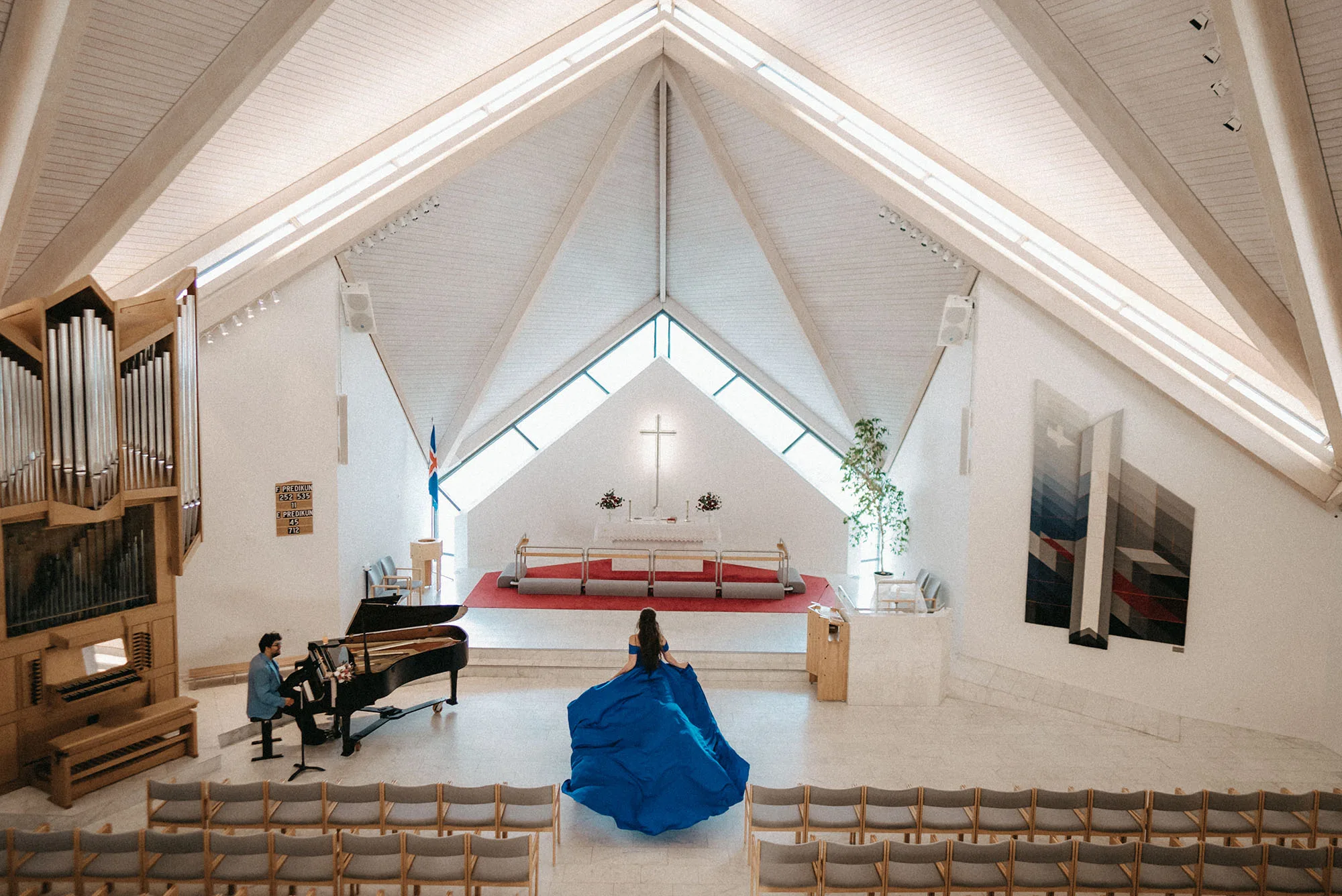
Cinematic does not have to mean staged. Look at the moments between the obvious moments: a parent waiting before the ceremony, friends laughing at dinner, a nervous breath before the vows or the way a couple moves when nobody is directing them.
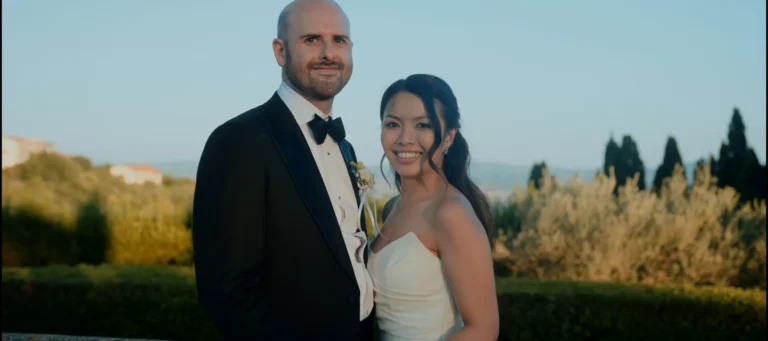
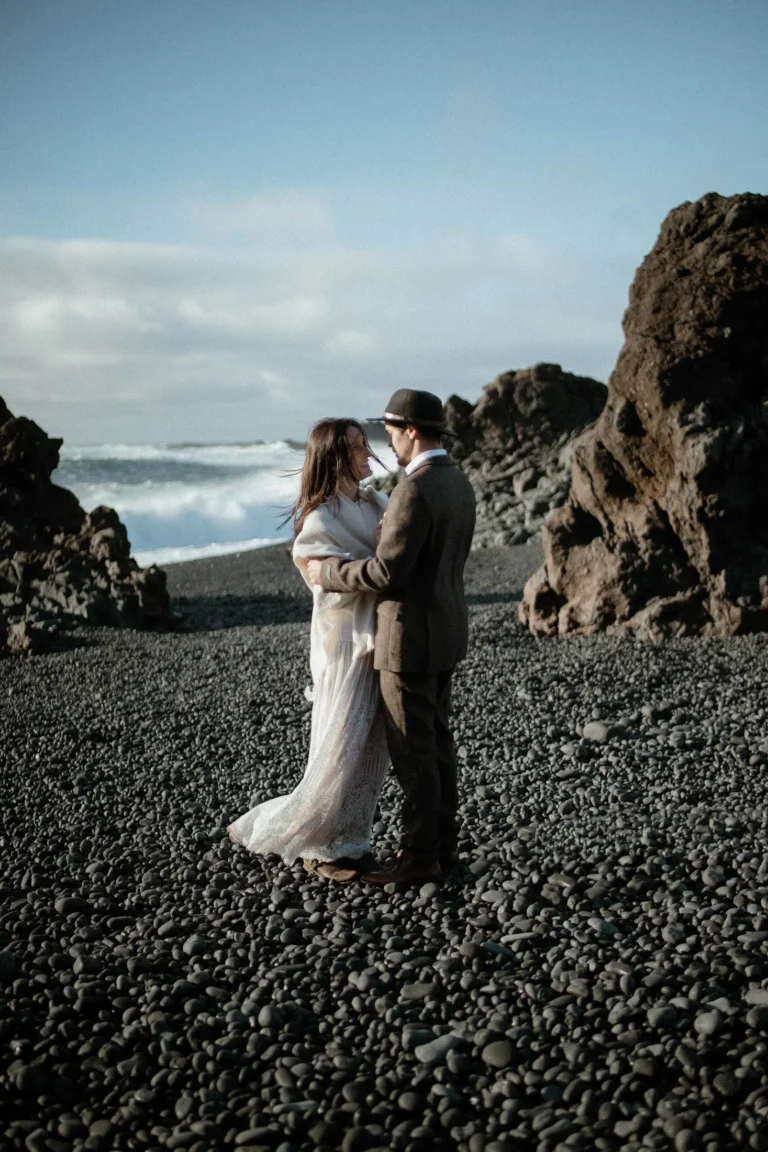
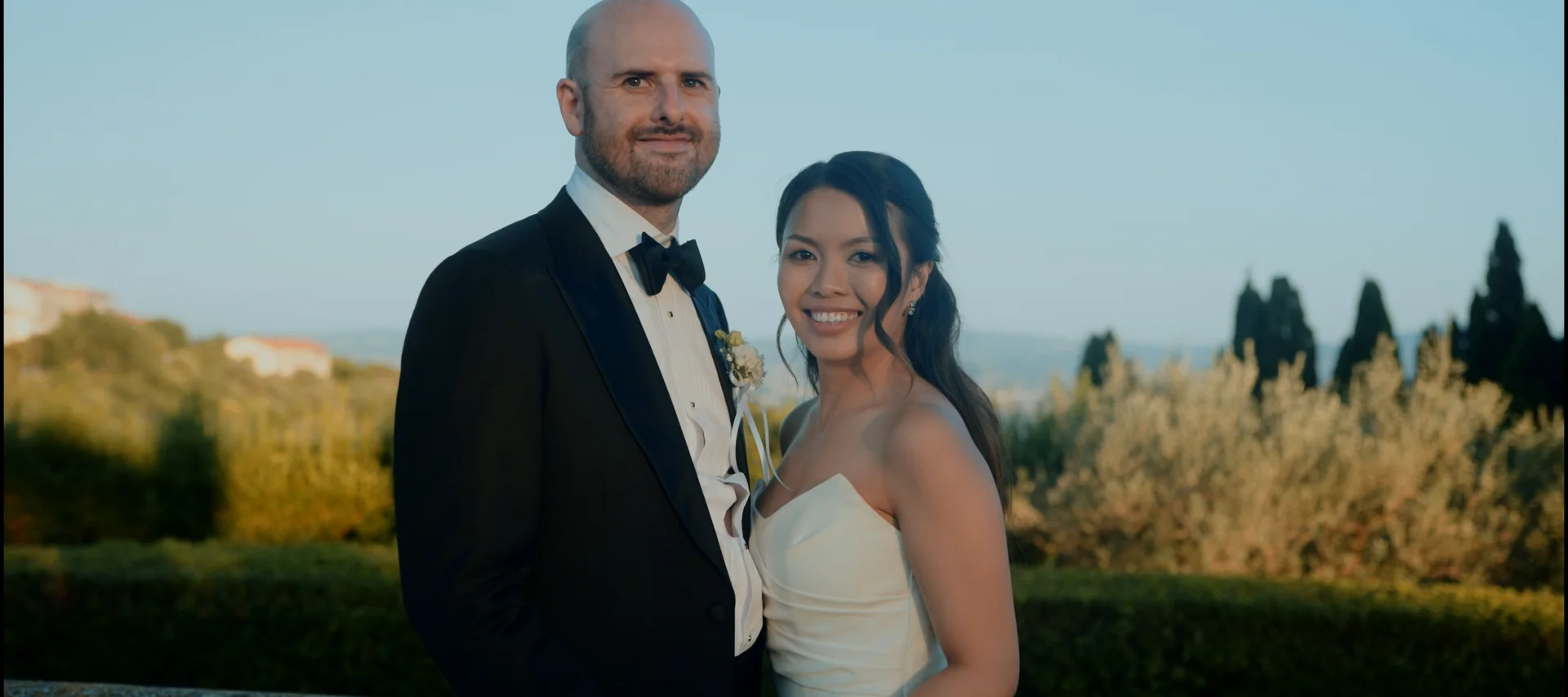
A destination wedding already brings strong scenery. The videographer’s real skill is knowing when the landscape should feel important and when the camera should stay close to the people. A film can show Tuscany, Iceland or Greece beautifully without allowing the location to overpower the wedding.
Choose people you can trust around your guests
Your videographers will be present during private preparations, emotional conversations and unpredictable family moments. A calm personality and respectful way of working matter as much as technical ability. During your first conversation, notice whether they listen to your story or mainly explain their own process.
You should feel comfortable asking questions and sharing concerns. If you dislike posing, say so. If speeches, grandparents or a particular cultural tradition are essential to you, the team should understand that before the wedding day.
Ask about experience with destination weddings
Destination weddings require more preparation than arriving at a familiar local venue. Flights can change, luggage can be delayed and locations may have restrictions for drones, sound or filming. An experienced team travels with backup equipment, protects recorded material and builds enough time into the schedule.
Useful questions include:
- Are travel and accommodation included in the proposal?
- Do you bring backup cameras, audio equipment and storage?
- How do you record vows and speeches?
- Have you worked with international planners and photography teams?
- How do you adapt when weather changes the timeline?
- Are drone recordings possible and legally permitted at the venue?
Understand what is included
Two proposals with similar prices may include very different things. Confirm the number of videographers, coverage hours, films delivered, approximate film length, delivery method and expected turnaround time. Ask whether the welcome dinner, rehearsal, civil ceremony or day-after session can be included when your celebration lasts more than one day.
Also clarify how music is chosen and licensed, how long your private gallery remains available and whether you can download the final files. A clear agreement protects both sides and prevents assumptions from becoming disappointments later.
One or two videographers?
For most destination weddings, two videographers offer more freedom and security. Preparations can happen in different places, reactions can be filmed during the ceremony and speeches can be covered from complementary perspectives. It also allows one person to follow the main action while the other notices the quieter moments around it.
A smaller elopement may work beautifully with one videographer, depending on the route and the number of events. The decision should follow the structure of the day rather than a fixed rule.
Make sure photography and video can work together
Photography and videography should feel like one calm team, even when the professionals have never met before. Ask how your videographer collaborates with photographers and how portrait time is shared. Experienced teams communicate quietly, avoid competing for the same angle and respect the natural rhythm of the day.
Look beyond the highlights
Instagram is useful for discovering a style, but it should not be the final proof. Explore a full wedding film portfolio and watch stories from different venues, cultures and weather conditions. Consistency across several weddings tells you more than one exceptional reel.
Read about the complete Emotioncollector experience, from the first conversation to delivery. The process should be understandable before you book, while still leaving room for your wedding to remain personal.
Explore destination wedding stories across Europe
See how each landscape changes the rhythm of a wedding film through our stories from a Madeira elopement, an Iceland wedding and elopement, a destination wedding in Tuscany and a celebration on the Athens Riviera.
Trust the connection
After checking style, experience, delivery and logistics, the final decision is often emotional. Choose the people whose work stays with you and whose presence feels reassuring. You should trust them enough to stop thinking about the cameras and live the day fully.
Emotioncollector has filmed weddings across Europe and beyond for more than 14 years, combining cinematic images with a natural documentary approach. We observe, adapt and guide only when it helps.
If you are planning a destination wedding in Europe, tell us where you are going and what matters most to you. We will answer your questions honestly and help you understand the coverage that fits your celebration.